


Ashford's parks and gardens are generous with light. A mature tree line, a clipped hedge, a pale gravel path — each one changes how a face reads in a photograph, and none of it requires a studio. The catch is that green spaces shift hour by hour: the soft patch you found at nine in the morning is a blown-out mess by noon. What follows is the checklist worth running through before every local portrait session.
Scout the Light Before You Scout the Background
Most people pick a spot because it looks good. Pick it because the light is good, then make it look good. Walk your chosen park at the same time of day you plan to shoot, one or two days ahead if you can, and watch where the shade falls.
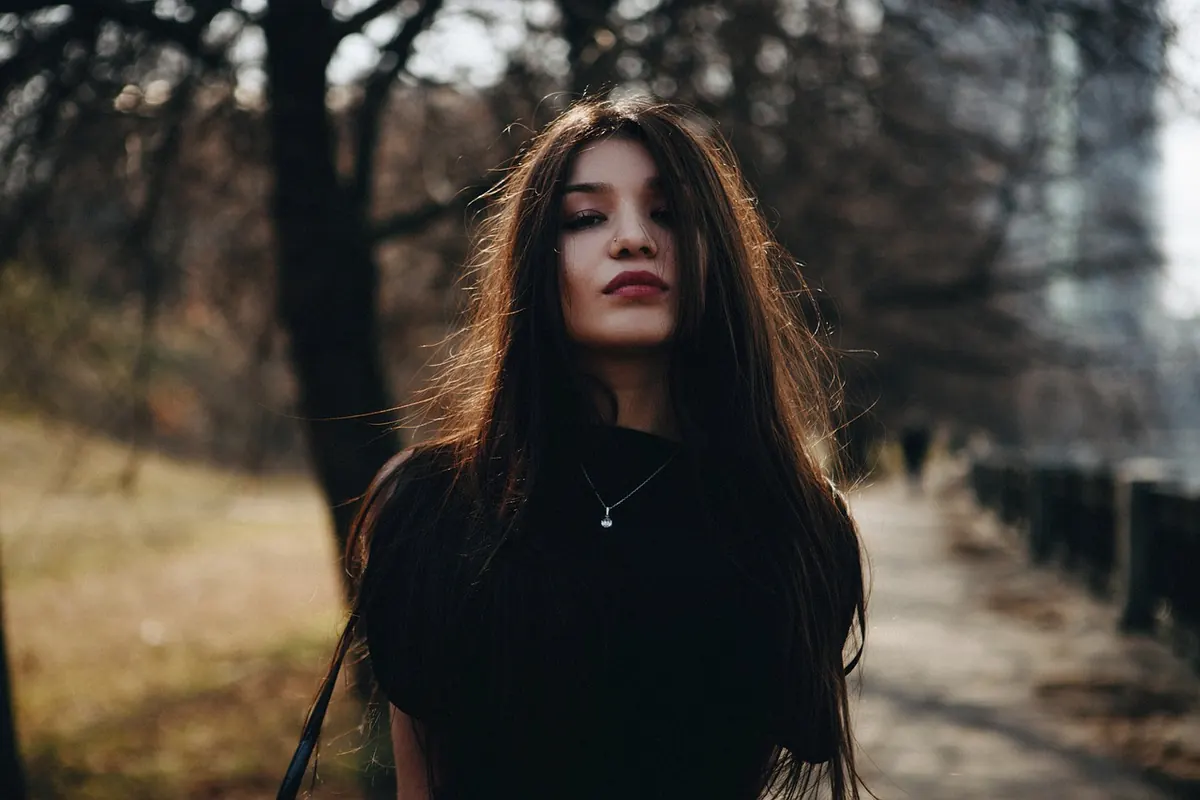
Open shade is your workhorse. Look for the north side of a tree line, the shadow of a wall or a tall hedge, or a wide band of shade under a mature canopy where light bounces in from the grass and gravel. High-canopy trees — oak, lime, cedar, sweet chestnut — throw soft, broken shade that wraps around a face. Low, dense shrubs do the opposite: hard-edged shadows and hot dappled spots that land on cheeks and noses. When you find a gap in the canopy, move your subject two steps left or right rather than fighting it.
Pay attention to what bounces light back up. Pale gravel paths, low stone walls, a pond's surface, even a light-coloured picnic blanket all act as free fill. Dark tarmac, deep shadow and dense evergreens swallow light and leave eyes looking flat.
Time of Day, and the Weather You Actually Want
Early morning and the last two hours before sunset give you low, warm light that moves quickly — which is good for creativity and bad for dawdling. Midday sun is workable, but you will spend the session hunting shade or shooting into the light with your subject's back to the sun, using the glow around their hair as a rim.
Do not write off grey days. An overcast sky is one enormous softbox, and it is the easiest light you will ever photograph a face in. What matters more than sunshine is wind: a stiff breeze ruins careful hair, flaps collars and makes people squint. Check the forecast, and plan a sheltered spot — a walled garden, a band of trees, the lee side of a hedge — as your backup.
Backgrounds That Flatter Instead of Distract
A portrait background has one job: to push the face forward. In a park, everything is competing for attention, so run this list before every setup.
- Distance. Get at least a few metres between your subject and whatever is behind them, more if you can.
- Tone. Darker, quieter backgrounds flatter almost everyone. Light clothing against a dark hedge is a reliable combination.
- Lines. Watch paths, fences, railings and bench backs — nothing should appear to grow out of the top of a head.
- Clutter. Bins, noticeboards, bright playground equipment, parked cars and signage. Move, or move your subject.
- Depth. Layer it. A hedge in front of trees in front of sky reads far better than a flat green wall.
- Colour. Look for seasonal anchors — blossom, long grass, autumn colour, a flowering border — but keep them behind and to one side, not behind the head.
- Edges. Check all four corners of the frame before you press the shutter. Something enters from the left almost every time.
Poses and Direction That Feel Natural
"Relax" is not direction. Give people something to do instead. Ask them to walk a few paces and turn back, to look at something specific over your shoulder, to hold a jacket over one arm, or to rest a hand on a gate. Hands need an occupation; the moment they dangle, the pose collapses.
Three setups that rarely fail
- The walk-and-turn. They walk toward you along a path in shade, then glance back. Shoot continuously.
- The bench lean. Sitting at the end of a bench, one foot forward, leaning slightly in. Keeps the spine from curving and gives you a natural triangle.
- The tree edge. Shoulder blades against bark, not the whole back, chin slightly toward the light. Loose, unforced, and easy to repeat.
Keep talking while you shoot — about anything other than the photographs. Between frames, remind them to breathe out, drop the shoulders and unclench the hands. And move your own feet rather than zooming: walking two metres to the side changes the background entirely, which is often the fastest fix available.
Settings, Kept Simple
Wide apertures between f/1.8 and f/2.8 blur green backgrounds nicely; stop down to f/4 for couples or small groups so both faces stay sharp. Keep the shutter at 1/200 or faster for anyone likely to shift, and faster still with a long lens. Auto ISO is fine — just cap it at a level you are happy printing. Meter for the face, and accept a bright, blown-out background; in a park that usually reads as sunlight rather than error.
Shoot raw. Shade goes blue, so expect to warm the colour balance slightly in editing. Dense grass bounces green onto skin, which is much easier to avoid than to correct — shift your subject a metre away from bright lawn and the cast usually disappears.
A Simple Session Walk-Through
- Arrive twenty minutes early and walk the loop, noting which spots are in shade right now.
- Choose two or three locations, not seven. You want depth of coverage, not a tour.
- Start in the easiest light — open shade, no sun on the face — and warm up with a walking shot.
- Add backlight once they have settled, positioning the sun behind and slightly to one side.
- Finish with the flattering setup you already know works, so the last frames are the strongest.
Before You Leave the Park
Wipe the lens, check for pollen and rain spots, and note the time and spot you liked best. Good light returns at the same hour in the same place, and a short note now saves a wasted trip later. If you are shooting in a managed garden rather than a public park, check current opening times and any photography policy before you go — some private gardens ask for advance permission.
Then pack up and leave the space as you found it. Stay off flower beds, give cyclists and dog walkers room, and keep your bag out of the path. A photographer who is easy to share a park with gets invited back, and in a town the size of Ashford, that reputation travels faster than any portfolio.
Photo: xusenru / Pixabay
Related posts
More stories you’ll love reading