

Landscapes
Prime vs Zoom Lenses for Local Landscape Photography: Which Should You Buy?
September 29, 2026
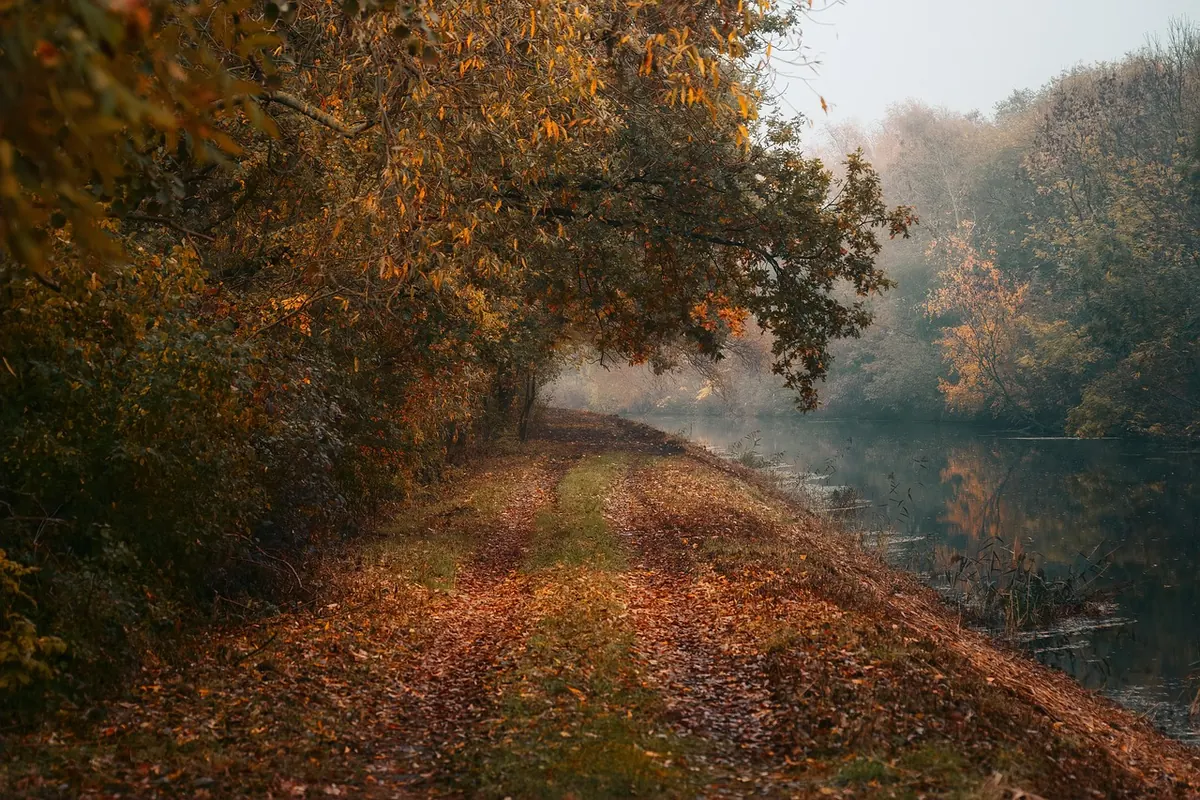
The best landscape lens is the one attached to the camera when the light finally does something worth photographing. Local shooting makes that more urgent than a trip you plan for months. The hill behind your house, the park with the row of limes along the path, the last field before the houses start — these are places you can reach in twenty minutes, which means you can be there often, and you can be there when the weather is only half promising.
That changes the calculation. A lens chosen for a two-week trip gets picked once and lives with the consequences. A lens for the edge of town gets carried through drizzle, up a muddy path, and out again next Tuesday. Prime or zoom is not a personality test. Both do specific jobs well, and the trade-offs show up quickly in this kind of work.
What local landscapes ask of a lens
Local landscape photography is mostly about position and timing rather than exotic scenery. You rarely get to stand exactly where you would like. Hedges, walls, fences, streams and footpaths make the decision for you. The light can shift inside a minute, and the best moment is often the ten minutes after sunset, when the town edge goes quiet and the first windows and streetlights come on.
Add the practical side. You are walking, so weight matters. You may be out in wind, rain or cold, so sealing and the number of lens changes matter. And because you return to the same view again and again, you eventually learn it properly — where the sun clears the ridge in March, which bench gives you a clean foreground, when the dog walkers arrive.
Where a zoom earns its place
The obvious answer is framing when your feet cannot move. A hillside is a good example. Standing on a footpath, you cannot step six feet left into a crop field to separate the lone oak from the barn behind it. A zoom does that for you. Pull back for the whole valley with the town tucked in the corner; push in for the layered ridges fading into haze, where compression makes the distances read as depth.
- One lens, fewer swaps. Dust on the sensor and rain on an exposed lens mount are real risks when you change optics in the open.
- Two pictures from one spot. A standard zoom can cover the wide view of the park and the church tower above the rooftops without a single change.
- Built for weather. Many standard zooms are sealed and stabilised, which suits damp mornings and handheld work at dusk.
- Room to improvise. When the composition you planned does not work, you can still find one.
You pay for that flexibility in size, weight and maximum aperture, plus more optical compromise at the extremes of the range. None of those are deal-breakers, but they are the reasons a zoom is not automatically the right answer.
Where a prime wins
A compact prime — 24mm, 28mm, 35mm or 50mm equivalent — is small enough to live in a jacket pocket and light enough that you forget it is there. On a five-mile walk with a tripod, that matters more than it sounds.
The bigger gain is speed. An f/1.8 or f/2 lens lets you hand-hold at dusk, work under trees, or catch mist before the sun clears the ridge. Stopped down to f/5.6 or f/8, a good prime is usually crisp into the corners and less prone to flare when the sun sits near the frame edge.
Then there is the discipline. One focal length stops feeling like a limitation after a few weeks. You begin seeing the picture before you lift the camera: three steps back, that branch as a frame, the path leading out of the bottom-left corner. Walking closer does something a zoom ring cannot — it changes the relationship between foreground and background, which is most of what makes a landscape read well. The cost is the days you genuinely cannot move, when cropping is your only option and you spend pixels you might have wanted for a large print.
Sharpness, without the mythology
The gap between a good zoom and a good prime is smaller than forum arguments suggest, and it changes with aperture, distance and subject. Where primes still tend to pull ahead: the corners at wide apertures, the very ends of a zoom's range, backlit scenes with the sun near the edge of frame, and the rendering of fine texture such as grass, gravel or distant rooftops.
At f/8 on a tripod, most of that difference disappears. What actually softens local landscape photographs is more mundane — focus placed slightly wrong, a shutter speed too slow for wind in the trees, a smeared front element, haze over a long view, a tripod sinking into soft ground.
A modest prime nailed on a steady tripod will beat an expensive zoom at 1/15 second handheld, every time.
Test your own lens rather than trusting a review. Photograph a textured wall or a hedge at each aperture, from a tripod, and inspect the corners on a large screen. Sample variation exists, and the only copy you need to know about is yours.
Weight, and the last hundred metres
Kit weight adds up in ways you notice on the walk back: body, lens, spare battery, cloth, water bottle, tripod. A fast standard zoom can weigh as much as two small primes together and take up noticeably more of the bag.
Weight is not an abstract concern. Heavier kit means fewer detours, fewer stops on the way home, and less willingness to climb the final hundred metres of the hill. That last stretch is very often where the picture is. In a park or on the town edge, a small prime also draws less attention, which makes it easier to keep working while people walk past.
A simple way to choose
- Count your focal lengths. Most photo software shows the focal length used for every file. If a large majority of your keepers sit in a narrow band, a prime in that band will suit you. If they spread from wide to short telephoto, a zoom is doing real work.
- Ask whether you can move. Footpath, hedge, riverbank, wall. If your local views usually lock you in place, flexibility wins.
- Check your light. If you shoot mostly at dawn, dusk and in woodland, an extra stop or two is worth more than range.
- Handle both. Balance, zoom-ring feel and where the controls fall under your fingers matter over a few hours of walking.
Try before you commit
Spend a month shooting with one lens, whatever you already own. Note the shots you wanted but could not get, and note the ones you got because you were carrying less. Then borrow or rent the other type for a weekend and take it to the same three places. Repeat views make the comparison honest, because you already know how the scene should look.
Most local landscape photographers end up with both, used deliberately. A zoom for changeable weather, uncertain compositions and long walks where one lens has to do everything. A prime for evenings you know will be good, when you want to travel light and think in a single frame. Buy the one that gets you out of the house more often. That is the lens that will take your best pictures.
Photo: stokpic / Pixabay
Related posts
More stories you’ll love reading